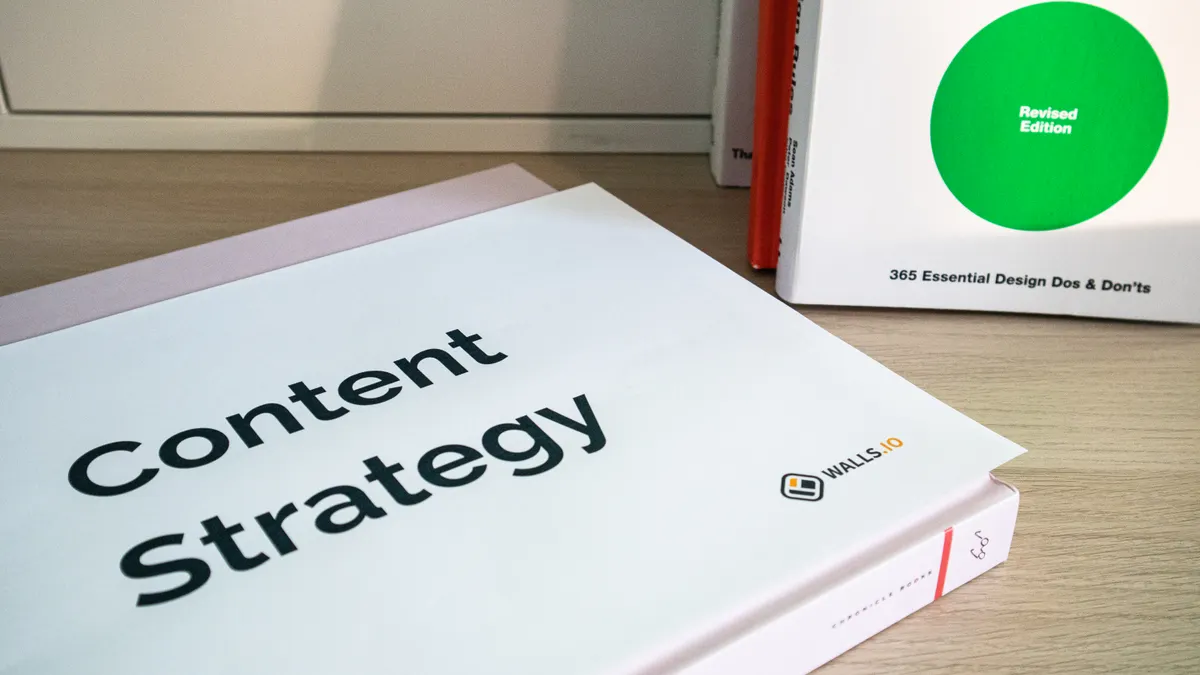
AI SEO Content Operations: The Complete Guide
Last updated: October 21, 2026
AI SEO content operations is the system that lets you publish search-targeted content faster without turning your site into a pile of near-duplicate pages. If you need a repeatable way to plan, draft, edit, approve, refresh, and measure SEO content with AI, this guide to AI SEO content operations tells you what to do, what to avoid, and when AI is the wrong tool.
Key Takeaways
- AI helps most when the bottleneck is process, not ideas.
- The best setup often uses AI for research, outlines, briefs, first drafts, content refreshes, and QA—but not for blind publishing.
- If your site depends on trust, compliance, or original expertise, human review is not optional.
- The biggest failure mode is scale without standards: too many pages, too little differentiation.
- A useful AI content operation has rules for inputs, outputs, review, and measurement before the first draft is generated.
- If you cannot define what “good” looks like in one page brief, AI will amplify the mess instead of fixing it.
What AI SEO Content Operations Actually Mean
AI SEO content operations mean using AI inside a defined publishing workflow, not using AI to spray articles at the web. If your current problem is inconsistent output, long turnaround times, or writers who all interpret the same brief differently, the right answer is to standardize the process first and then add AI where it removes friction.
This is not the same as “use ChatGPT to write posts.” A mature operation has stages: topic selection, intent mapping, SERP review, brief creation, drafting, editing, fact checking, on-page optimization, publishing, and refreshes. AI can touch almost every stage, but it should not control all of them. The moment you let a model decide topic priority, keyword targeting, page purpose, and final copy without guardrails, you get content that looks busy and ranks nowhere.
The cleanest way to think about it is this: AI is a production assistant, not the editorial desk. It can summarize competitor pages, extract headings, suggest angles, draft meta descriptions, and turn a transcript into a draft. It cannot know your brand’s actual authority boundary, your legal risk tolerance, or which claims need a source from the FTC, NIH, FDA, SEC, or another body relevant to your niche. That last part matters more than most teams want to admit.
If you are a lean team producing 10 to 50 pages a month, AI content operations can remove repetitive work. If you are a large brand with legal review, multiple subject experts, and existing content debt, AI is most useful as a triage layer: it helps you update, consolidate, and standardize old pages before you try to scale new ones. If you are a brand-new site with no topical authority, AI alone will not manufacture trust.
| Situation | Best Path | Why Other Options Fail |
|---|---|---|
| Small team, 1-2 writers, 10+ pages/month | Use AI for briefs, outlines, and first drafts with human edit pass | Pure manual work is slow; pure AI output lacks judgment |
| Enterprise site with legal review | Use AI only inside approved templates and reviewed claims | Unstructured AI drafting creates compliance and brand risk |
| New site with little authority | Publish fewer pages with stronger original expertise | Mass AI output usually creates thin pages that struggle to rank |
| Mature site with content decay | Use AI to refresh, merge, and prune old pages | New content alone will not fix outdated pages or cannibalization |
Quick check: if the phrase “content operations” sounds like process design, this section applies; if you mainly want prompts, you are skipping the part that makes AI useful.
The 3 Conditions That Change Everything
The right AI workflow depends on three conditions: how much original expertise you have, how risky your niche is, and how broken your current content system already is. If those three are not clear, any generic recommendation will be wrong half the time.
First, ask how much original expertise sits in your organization. If your content depends on true subject knowledge—medicine, law, finance, cybersecurity, engineering, B2B software with real implementation nuance—then AI should draft structure, not conclusions. In those fields, a model can help you assemble a page, but it cannot replace a credentialed reviewer or a person who knows which claim is weak. For YMYL topics, a human expert review is the default, not the upgrade; for medical, legal, financial, or similar claims, consult a qualified professional and follow the relevant regulator or professional guidance.
Second, ask how risky your niche is. If the page can safely be wrong by a small margin and still be useful, AI can do more of the lifting. If the page can hurt someone, trigger regulatory trouble, or create a false expectation, the workflow gets tighter. A health page about sleeping habits is not the same as a page about insulin dosing. A product explainer is not the same as a claims-heavy legal landing page. The more consequence attached to the content, the narrower the AI’s role should be.
Third, ask whether your content system is broken or just slow. If the problem is that briefs are inconsistent, editors are overloaded, and pages are delayed by 2 weeks or more, AI can clean up the handoff. If the problem is that nobody knows which topics deserve a page, what the target query is, or what your content standards are, AI will magnify the confusion.
The mistake most teams make is starting with tools. The right order is policy, workflow, then tools. That usually means a content SOP, a brief template, a source policy, and a review checklist before you choose any model. OpenAI, Anthropic, Google Gemini, and similar tools are interchangeable at the process level until your rules decide otherwise.
- Map your content risk into three buckets: low, medium, and high. Use strict human review for high-risk pages.
- List the places where time is being lost: topic research, outlining, drafting, editing, approvals, or refreshes.
- Write one standard brief template with fields for intent, audience, search angle, source requirements, and page goal.
- Define what AI can write alone, what it can draft only, and what must be sourced or reviewed by a human.
- Choose one model and one editor workflow first, then run the same process on 5 to 10 pages before scaling.
Quick check: if your biggest issue is trust, the answer is tighter controls; if your biggest issue is speed, the answer is clearer templates and fewer handoffs.
How to Build an AI SEO Content Workflow That Does Not Collapse
A durable workflow starts with a brief that forces decisions before drafting begins. If the brief is vague, AI will produce generic content faster than any junior writer could. If the brief is specific, AI becomes useful.
To make AI SEO content operations work in practice, start with topic selection based on search intent, not keyword volume alone. Then review the current SERP and note what type of page wins: guide, list, comparison, category page, product page, or tool page. Next, build a brief that names the user’s job to be done, the angle, the must-cover subtopics, the sources to consult, and the claims that require verification. Only then should AI draft.
The output should go through at least one editing pass that checks for factual drift, repetition, and missing intent coverage. A second pass should check on-page SEO basics: title tag, H1, headings, internal linking opportunities, and snippet potential. The final step is publication plus a refresh calendar. Search pages age, and AI can help you detect which ones are stale.
The simplest useful stack is not glamorous. It often includes Google Search Console for query data, a rank tracker such as Ahrefs, Semrush, or a similar platform, a shared brief in Notion, Google Docs for editing, and a model like ChatGPT or Claude for drafting support. For measurement guidance, Google’s Search Console documentation is a useful starting point, and Google’s own SEO Starter Guide reinforces the basics of helpful, crawlable pages. If your team needs enterprise governance, you may also need permissions, logging, and approval steps inside your CMS.
What fails is trying to let the model run free across the whole lifecycle. A prompt alone is not an operation. A model plus a template plus a review standard is an operation.
- Define the page type and the search intent before writing anything.
- Collect the SERP features, competitors, and the common angle on the first page of results.
- Write a brief with a 1-sentence purpose, audience, and success criterion.
- Feed the model only the sources and constraints it is allowed to use.
- Generate outline, then draft, then edit against the brief—not against the model’s own output.
- Run a QA pass for sources, canonical intent, heading logic, and duplication.
- Publish, then review Search Console data after 14 to 28 days for query fit and CTR clues.
| Situation | Best Path | Why Other Options Fail |
|---|---|---|
| You have clear standards but slow drafting | Use AI for outline and first draft, then human edit | Manual writing wastes time on repeatable structure |
| You have no brief discipline | Fix the brief before using AI at scale | AI will make the inconsistency louder, not better |
| You need faster refreshes | Use AI to summarize old content and flag gaps | Rewriting from scratch is slower than targeted updates |
| Your CMS workflow is fragmented | Standardize review in one shared doc or ticketing flow | Tool sprawl creates version drift and approval chaos |
Quick check: if the workflow breaks at handoff points, fix the handoff; if it breaks at idea selection, fix the brief.
If You Need to Publish at Scale, Here’s the Safe Way
If you need to publish at scale, the safe way is to scale the process first and the volume second. If you reverse that order, the site fills with thin pages, duplicate angles, and content that all says the same thing in a different tone.
The scale play is not “publish 100 pages with AI.” It is “publish the right 20 pages, then build a repeatable machine.” That machine needs topic clustering, clear page types, and a content inventory that tells you which pages already exist. Otherwise, AI will happily write four versions of the same article because nobody told it the difference between an explainer, a comparison page, and a refresh.
A good scaling system uses content atoms. That means one source set can feed multiple outputs: a core research note, a buyer pain-point outline, a product comparison, a FAQ block, and a refreshed old article. This works only if the source material is structured. If the source is a pile of half-formed notes, AI will turn chaos into polished chaos.
This is also where editorial governance matters. Decide which pages can be templated and which need original reporting, interviews, screenshots, data pulls, or expert review. For example, a generic “how to use X” page may work with a strong template, but a page about pricing, compliance, or integration details usually needs sharper human oversight. Those pages are not interchangeable.
The best scaling operations often set a minimum quality threshold. That can include no unverified claims, no copied competitor structure without a reason, no page published without a unique search angle, and no article without a clear conversion or informational goal. You do not need a 12-step bureaucracy, but you do need rules that prevent the content factory from sanding off every useful detail.
- Build a topic map with primary pages, supporting pages, and pages that should not exist because they duplicate another URL.
- Assign each topic a page type: guide, comparison, glossary, checklist, category, or update.
- Create a source pack for each cluster: internal docs, product notes, interviews, trusted references, and SERP examples.
- Use AI to generate drafts from the source pack, not from a blank prompt.
- Have an editor check each draft for overlap with existing pages and for missing unique value.
- Schedule refreshes every 3 to 6 months for fast-changing topics; slower topics can wait longer if they remain accurate.
Quick check: if you are trying to scale by volume alone, stop; if you are trying to scale a repeatable system, you are on the right track.
What AI SEO Content Operations Should Measure
AI SEO content operations should be measured by output quality, workflow speed, and search performance together. If you only track page count, you will reward volume and miss decay. If you only track rankings, you will miss bottlenecks that slow production. If you only track time saved, you may publish more junk faster.
Start with operational metrics. Measure brief turnaround time, draft turnaround time, edit cycles per article, and time from assignment to publish. If the average brief takes 4 days to get approved, that is a process problem. If each draft needs three rewrite rounds, that is a standards problem. If articles sit unpublished for 2 weeks after final edit, that is a routing problem.
Then measure content quality proxies. Look at pages that needed heavy revision, pages with missing sources, pages that overlap another URL, and pages that were published but later merged or deleted. These numbers tell you whether AI is helping or just accelerating waste.
Finally, measure SEO outcomes. Search Console gives you query coverage, impressions, CTR, and page-level performance. Combine that with rank tracking for priority terms and on-page engagement signals where relevant. A page that earns impressions but weak clicks may need a title rewrite. A page that gets clicks but no engagement may have the wrong intent match. A page that gets neither is often the wrong page, not the wrong paragraph.
The trap is assuming that “AI worked” because production got faster. Speed only matters if the pages perform. A faster broken system is still broken.
| Situation | Best Path | Why Other Options Fail |
|---|---|---|
| You need to justify the workflow internally | Track cycle time, revisions, and search outcomes | Vanity page counts do not prove value |
| You publish in a regulated niche | Track source use and review completion | Rankings alone ignore compliance risk |
| You manage many writers | Track brief quality and edit passes | Writer output varies too much to judge by volume |
| You refresh old content regularly | Track decayed pages and recovery after updates | New page counts hide old-page neglect |
Quick check: if you cannot name three metrics that reflect both process and performance, your AI operation is flying blind.
When the Standard Advice Is Wrong
The standard advice is wrong when your content needs more judgment than speed. If the page is high stakes, highly technical, or deeply brand-sensitive, the answer is not “more AI.” It is “less autonomy for AI and a tighter editorial process.”
If you are in legal, medical, financial, or cybersecurity content, the normal “AI draft plus light edit” model is too loose. In those cases, AI is best used to summarize source material, draft structure, extract common questions, and suggest plain-language alternatives. A credentialed reviewer still needs to verify claims. If the page mentions laws, treatments, procedures, numbers, or performance claims, consult a qualified professional and follow the relevant regulator or professional guidance before publishing.
If your brand depends on distinct voice, AI can also cause trouble. Many models drift toward a generic, polished tone that sounds fine and says very little. If your differentiation comes from sharp opinions, technical depth, or a field-specific voice, you need a stronger style guide and more human editing. A model can imitate tone. It cannot own a point of view.
If you already have a strong content library, the move may be pruning rather than producing. A site with 800 weak URLs does not need 200 more generated pages. It may need consolidation, deindexing decisions, redirects, and a better internal linking structure. AI can help identify overlaps, but it should not be used as a reason to avoid cleanup.
If your distribution is the real problem, content operations alone will not fix it. Great pages buried on a weak site still underperform. In that case, invest in internal linking, newsletter distribution, sales enablement, or partnerships alongside SEO. Content is not a magic trick; it is one part of a larger acquisition system.
Quick check: if your pages carry risk, identity, or legacy baggage, the standard high-volume AI advice is probably wrong for you.
Edge Cases That Break the Usual Playbook
These edge cases matter because they are where clean-looking advice falls apart.
-
You need content in a very narrow niche with little SERP data.
What changes: there is not enough search volume or enough comparable pages to copy structure from.
What to do instead: use SME interviews, product docs, forum language, and sales calls to define the page. AI can organize the material, but the source of truth has to come from people, not the SERP. -
Your site has duplicate content across markets or languages.
What changes: one AI draft can accidentally create near-identical pages across regions.
What to do instead: define localization rules, not just translation rules. Change examples, regulations, spelling, units, and intent by market. -
You are publishing to support sales, not just rankings.
What changes: the page needs to answer objections, not only match a query.
What to do instead: build the brief from sales calls and objection logs, then use AI to draft around those objections. A generic SEO outline will miss the buying friction. -
Your old pages already rank, but conversion is poor.
What changes: rewriting everything is dangerous because rankings can move.
What to do instead: use AI to create controlled revisions, test title tags and intros first, and keep the core page structure if it already earns traffic. -
Your team cannot agree on editorial standards.
What changes: AI will expose disagreement faster than humans can resolve it.
What to do instead: create one style guide, one source policy, and one approval chain before expanding production. -
You need highly current information, such as software features or policy changes.
What changes: static model knowledge is not enough.
What to do instead: require fresh sources dated to the current release cycle, and mark stale claims for review every 30 to 90 days depending on topic speed.
Quick check: if any of these scenarios sound familiar, do not use a generic AI content template; use a narrower workflow with stricter review.
A Practical Decision Rule You Can Use Today
If the page is low risk, the workflow is stable, and your bottleneck is time, use AI aggressively for drafting support. If the page is medium risk, use AI for structure and first-pass writing, then insist on a human edit with source checks. If the page is high risk, use AI only to accelerate research and outline work, and let the subject expert own the claims.
That rule is blunt, but it keeps you out of the worst traps. It also forces the right question before every assignment: “What would go wrong if this page were wrong?” If the answer is “not much,” AI can do more. If the answer is “a lot,” the workflow needs more human control.
The best AI SEO content operations are not the ones that publish the fastest. They are the ones that can explain why each page exists, who approved it, what sources back it, and how it will be maintained after publication. That is the difference between a content system and a content habit.
If the goal is durable search traffic, the operation should make it easier to say no to weak pages, easier to update strong ones, and easier to keep quality consistent when volume rises. That is where AI earns its keep. It is useful when it reduces friction without reducing judgment.
Quick check: if you can say when AI should draft, when it should assist, and when it should stay out of the way, you have the right operating model.
FAQ
What is the main goal of AI SEO content operations?
The main goal is to use AI inside a controlled content workflow so you can produce SEO pages faster without sacrificing quality, accuracy, or consistency. The workflow matters more than the tool.
Is AI SEO content operations suitable for YMYL content?
Yes, but only with tighter controls, stronger source checks, and human expert review. For medical, legal, financial, and similar topics, AI should support the process rather than make final claims.
How do I start if my team has no formal content process?
Start with one brief template, one source policy, one review chain, and one small pilot. It is better to test AI on 5 to 10 pages than to scale a vague workflow across the entire site.
Should I use AI to refresh old SEO pages or write new ones first?
If you already have an existing library, refreshing and consolidating older pages is often the better first move. That usually reveals what can be improved before you add more URLs.
What should I measure to know if the workflow is working?
Track brief turnaround time, draft cycles, time to publish, source use, and page performance in Search Console. A working process improves both production speed and search results.
Drafted with AI; not yet reviewed by a person.